
When Automation Came for the Mind
Every earlier wave of automation replaced muscle. This is the first one that replaces judgment — and the economics are not linear.

Chinese version: 中文版
Every earlier wave of automation replaced muscle. This is the first one that replaces judgment — and the economics are not linear.
There is a strange leaderboard going around the big technology companies right now. It does not rank engineers by how clean their code is, or how fast they ship a product. It ranks them by something that sounds absurd on its face: who can burn through AI tokens the fastest. The faster you burn, the more highly you are rated.
If you have any instinct for running a business, this should bother you. Companies are supposed to cut costs. Tokens are a cost. Burning them faster is supposed to be bad. So why has the industry quietly started treating the biggest spenders as the best workers?
The answer turns out to be one of the more important economic signals of the decade — and it has almost nothing to do with tokens.
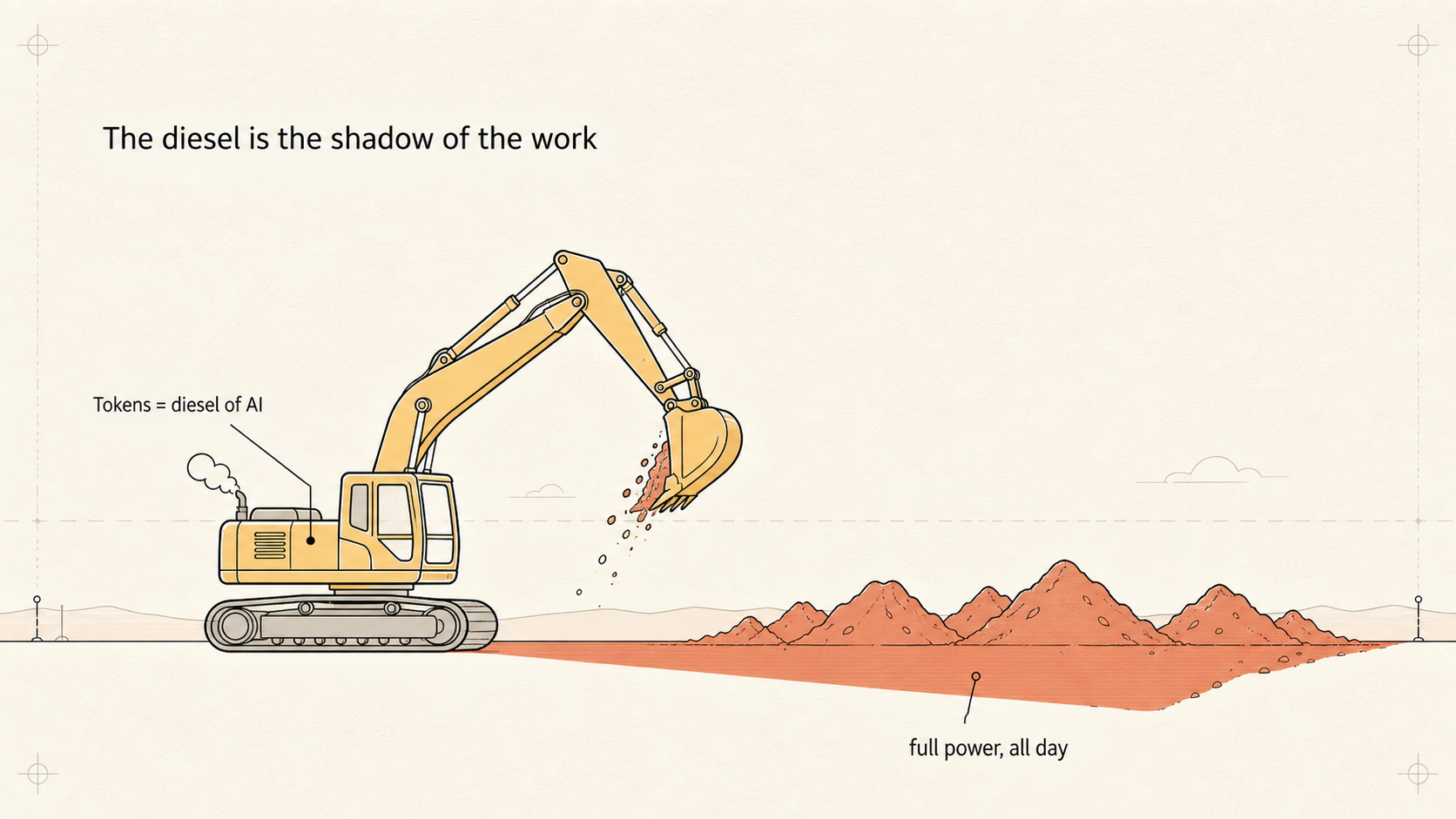
Diesel is the shadow of output
Start with a simpler machine. Picture two excavators on a construction site. One burns two hundred liters of diesel in a day. The other burns twenty. Judged on fuel alone, the thrifty one looks smarter.
Now add the output. The first excavator moved a thousand cubic meters of earth. The second moved fifty. The verdict flips instantly. The diesel was never waste. The diesel was the shadow of the work getting done. High burn did not mean the machine was careless. It meant the machine was running at full capacity, all day, without stalling.
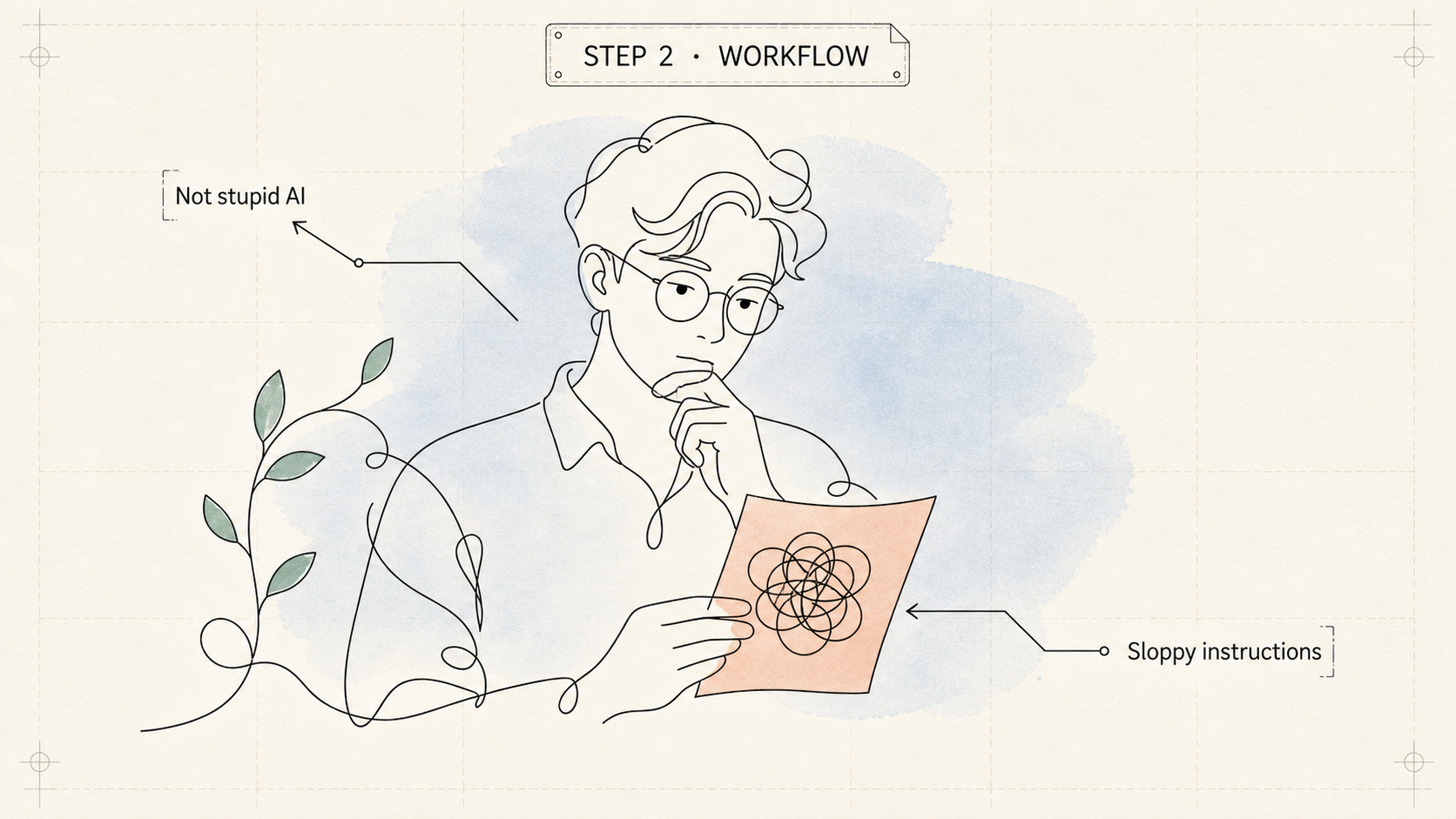
Tokens are the diesel of AI. Burning a lot of them does not mean you are being wasteful. It means you have the ability to keep the machine at full throttle — and most people simply cannot. Their AI spends most of its time idling, or fixing the mistakes it made because the instructions were vague. A high token burn is evidence that someone has built a system clean enough to keep an expensive machine busy without babysitting every step.
That is the surface reading of the leaderboard, and it is correct as far as it goes. But it is not the interesting part.
The part nobody puts on the leaderboard
The interesting part is what the leaderboard is a symptom of.
For two centuries, automation has done one thing: it replaced human labor with machines. The loom, the assembly line, the toll booth, the checkout scanner. Every wave took some category of work that used to require a person and handed it to a mechanism.
But look closely at which work. It was always physical, repetitive labor. The muscle on the line. The hand on the lever. The body doing the same motion ten thousand times. Automation came for the hands, and for a long time the mind felt safe. Writing code, making designs, drafting copy, doing research — these were supposed to be the jobs machines could never touch. They were the high ground.
That is what just changed. This is the first wave of automation aimed squarely at cognitive work. Not lifting, not stamping, not scanning — thinking. And once you see that clearly, the strange leaderboard stops being about tokens at all. It is a ranking of who is best at running the machine that automates minds.
Why this wave moves faster than any before it
Here is the part that should get your attention, whatever you do for a living.
Every previous wave of automation had a wall around it: capital. To automate a factory you had to build the factory. Buy the robots. Lay the production line. The upfront cost was enormous, which meant only large, well-funded companies could play. That wall was also a brake. It kept the spread of automation slow, lumpy, and roughly linear — one expensive installation at a time.
This wave has no wall.
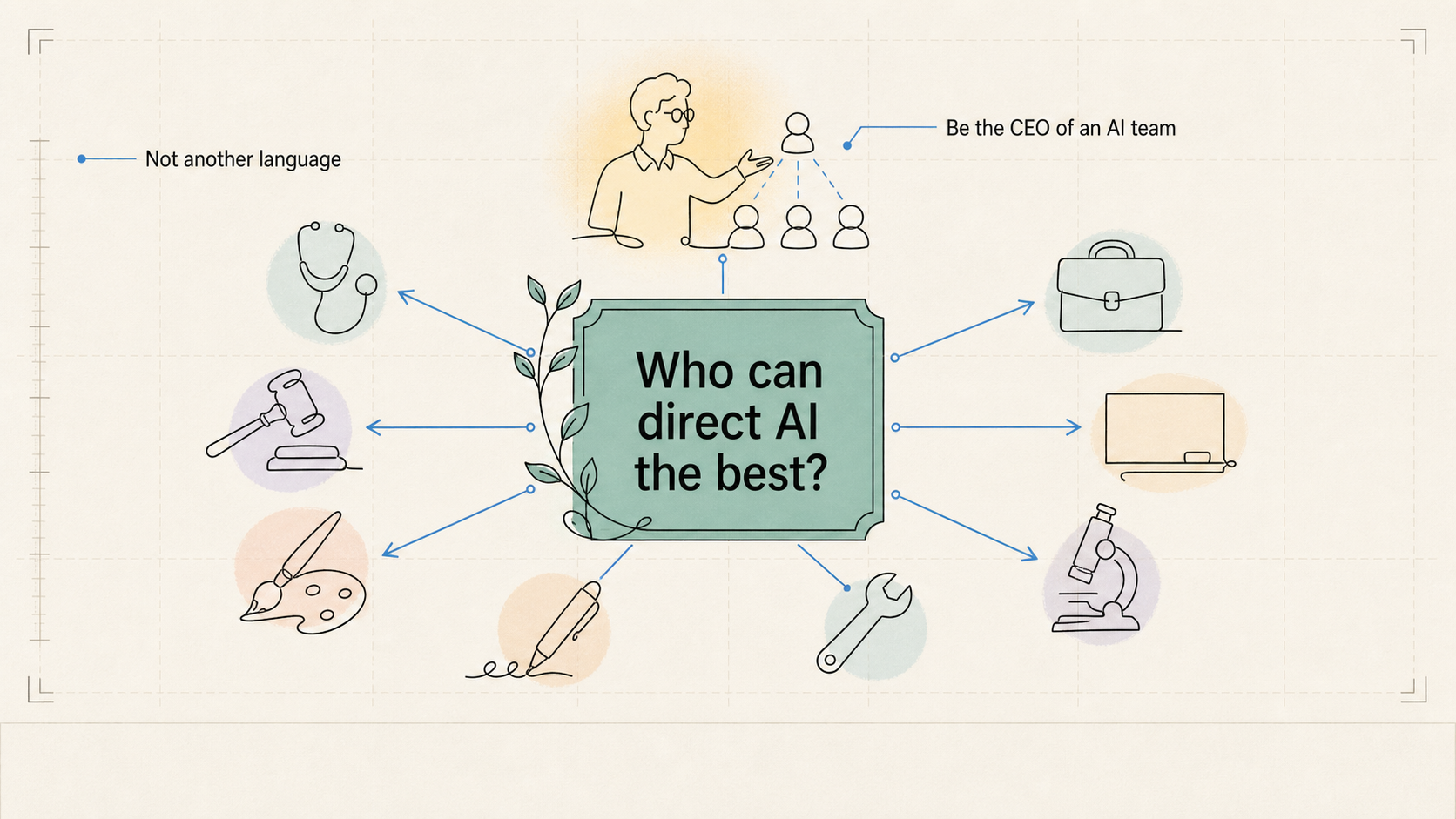
One person, one laptop, one monthly subscription is now a full production line. There is no minimum capital to clear, no economy of scale you have to reach before the math works. Anyone can pick up the machine tomorrow. And when the barrier to adopting a technology drops to nearly zero, its spread stops being linear and becomes exponential. That single difference — no capital gate — is why this feels less like the arrival of a new tool and more like a phase change.
The number the leaderboard is really about
Put a figure on it. Say an operator runs eight thousand dollars a month of AI compute and, with it, produces what used to take a team of ten people a month to make. In an expensive talent market, ten skilled people — salaries, benefits, insurance, office — cost well past two hundred thousand dollars a month.
Eight thousand against two hundred thousand.
That twenty-five-to-one ratio is what the leaderboard is actually measuring. Not who spends the most. Who converts a small budget of machine labor into the output of an expensive human team most efficiently. Burning tokens fast is just the visible exhaust of a very high leverage ratio underneath.
And leverage of that size is not a technology story. It is an economics story, an industry-structure story, and a signal about the future of employment.
The skill that captures the leverage is management
So what actually lets someone reach twenty-five to one? It is not raw coding ability. The person at the top of that leaderboard is not typing faster than everyone else. They are doing something older and more familiar.
They are managing.
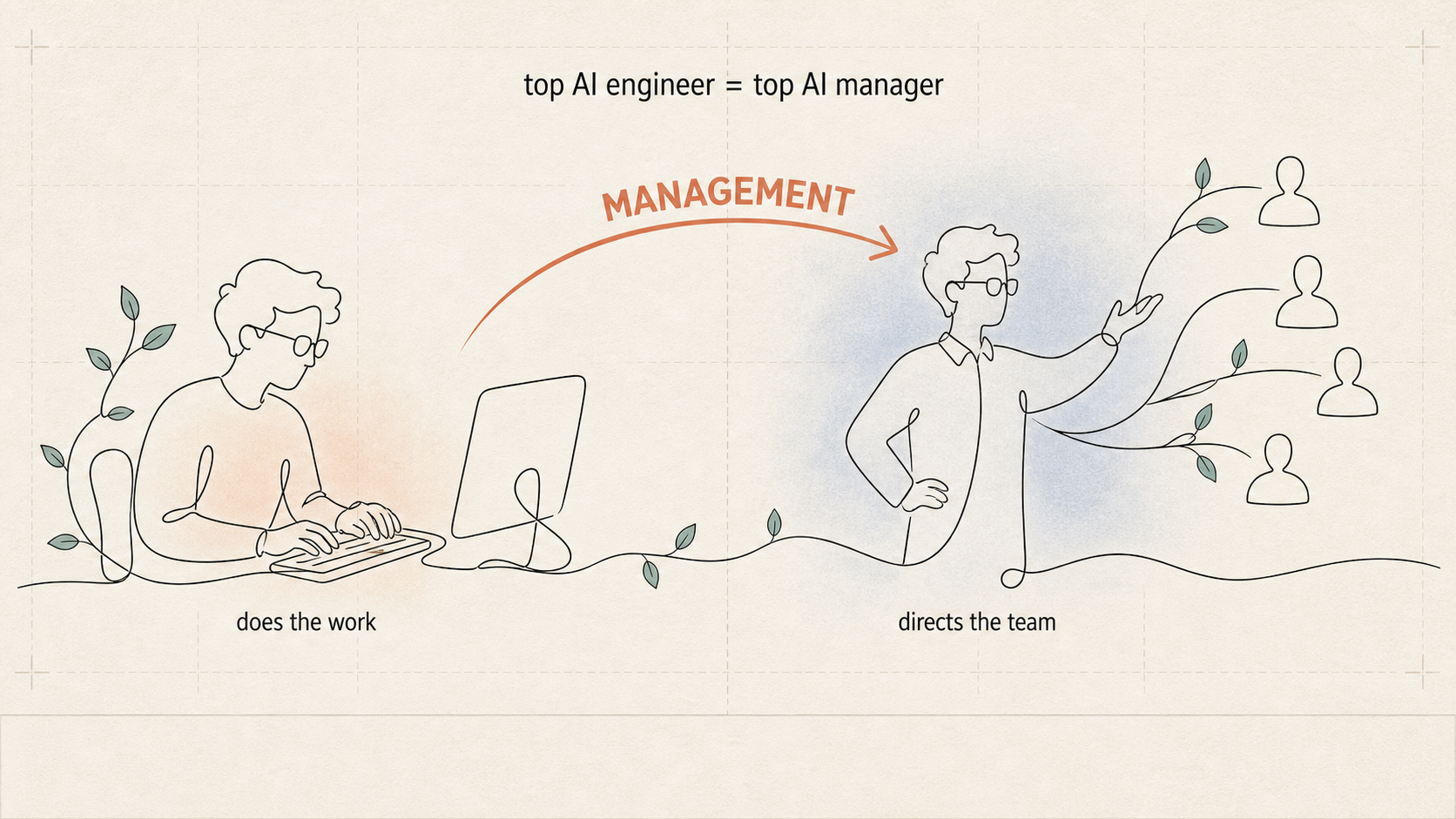
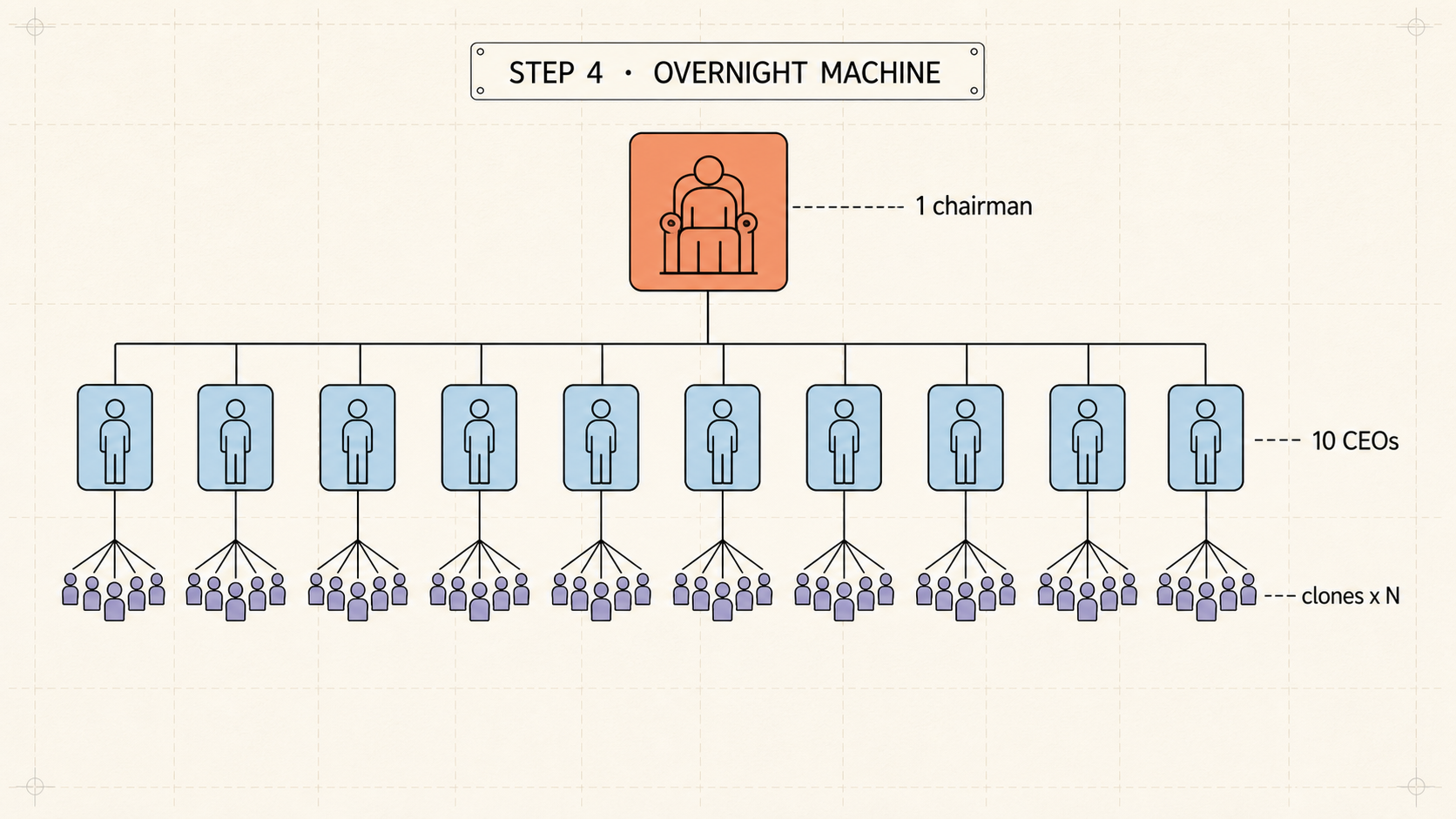
To keep a team of AI workers running at full capacity you have to do exactly what a good manager of people does: break a big goal into clear tasks, define the process, set the boundaries, decide what each worker is allowed to judge alone and what it must bring back, handle the exceptions, and schedule resources so nothing sits idle. The moment one worker stalls, you unblock it and move on. Your entire job becomes keeping the machine from stopping.
There is a classic leap in every career: the move from individual contributor to manager. You stop being measured by how much you personally produce and start being measured by how much your team produces through you. That leap is happening again — except this time your team has no humans in it. Every member is an agent. But the skill it demands of you is unchanged. You still have to decompose, delegate, set rules, and route work.
Which is why the cleanest way to describe the person winning that leaderboard is not “the engineer who spends the most.” It is: the best manager of AI. A top AI engineer, underneath, is really a top AI executive.
What this means for you
If you write code for a living, the instinct is to go learn the next framework or language. I think that is the wrong move. The scarce, compounding skill now is not another syntax. It is learning to run an AI team well — to be the CEO of a workforce that happens to be made of software.
And if you do not write code, this is if anything more your problem, not less. Nothing about cognitive automation stays inside programming. Every job built on judgment — analysis, writing, design, planning, research — meets the same question in time: who can schedule AI most efficiently to do it. The people who learn to direct that labor will operate on a different scale from the people who don’t.
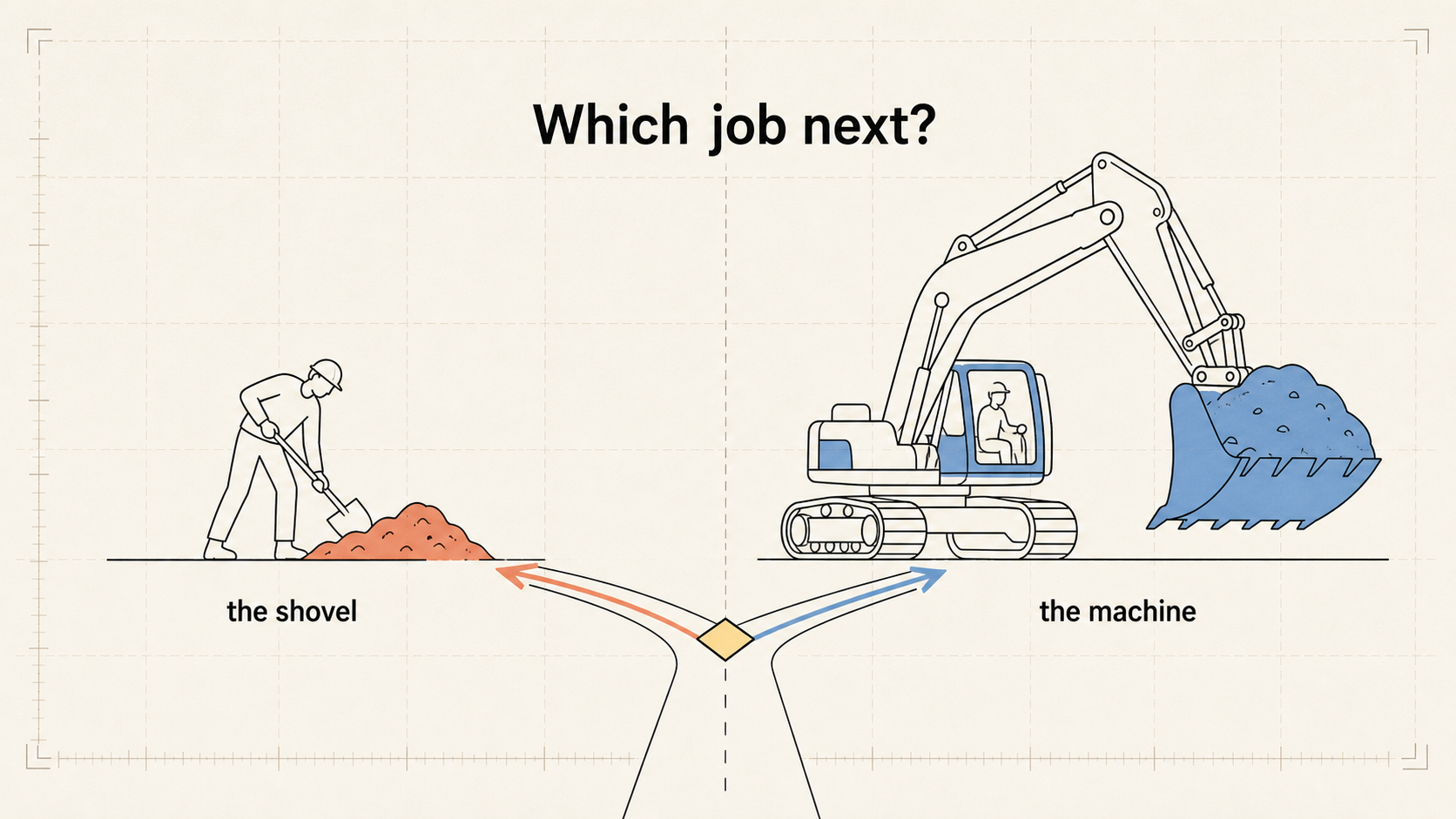
Which brings back the oldest image in this whole story. When the excavator showed up, the man standing beside it with a shovel could still dig. He was not useless. He just was not on the same scale as the machine anymore. The token leaderboard is the same picture, drawn again — only this time the shovel is a keyboard, and the ground being moved is thought.
So the question worth sitting with is not whether the machine is coming for your kind of work. It is a quieter one: when it arrives, are you the person holding the shovel, or the one who knows how to run the machine?
Watch more first-principles field guides on Wiki4What, or read the essays at blog.wiki4what.com.